
Find of the Month
May 2026
Skateboarding & the Modernist Movement
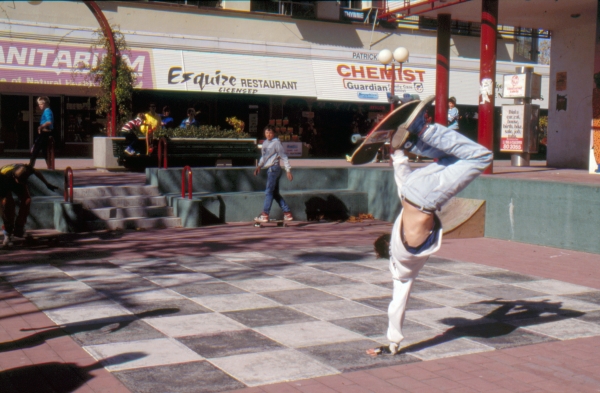
Fig 1. Skateboarding in Garema Place, 1980s. ACT3/4034.
As part of the 2026 Canberra and Region Heritage Festival in April, Archives ACT held a panel discussion event titled Skateboarding & the Modernist Movement. Emceed by Sancho Murphy, the panel consisted of David Pang (photographer, skater in Canberra since the 1970s), Brenden ‘Woody’ Wood (skater, VP of Canberra Skateboarding Association), Nathan Pharaoh (Large Technology Conservator at the National Museum of Australia , skater and participatory design advocate), and Jessica Begley (ACT Heritage).
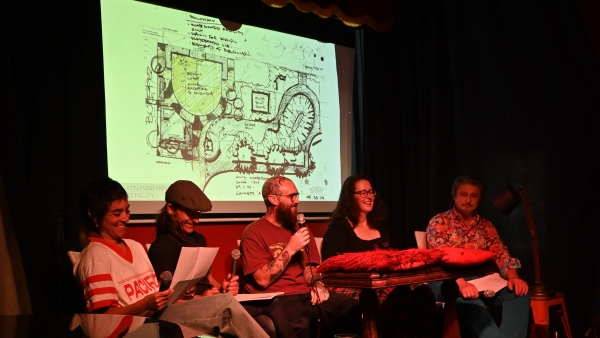
Fig 2. Skateboarding & the Modernist Movement panel. Photo by Meagan Carey.
As well as sharing great stories and insights, the panel discussed how Canberra's planned nature and its modernist architecture has contributed to and shaped our skateboarding culture.
In 1975 the Whitlam Government initiated a Youth Involvement Program to engage young people in community projects. The Department of Capital Territory led the initiative, which coincided with the rise of skateboarding in Australia. Records held at ArchivesACT contain letters and petitions from community members calling for more and better skateboarding facilities.
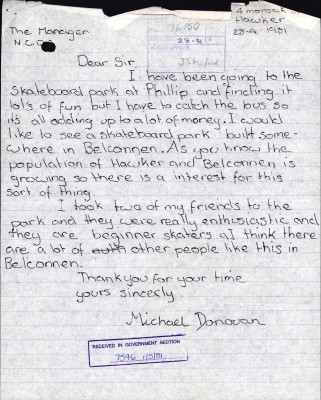
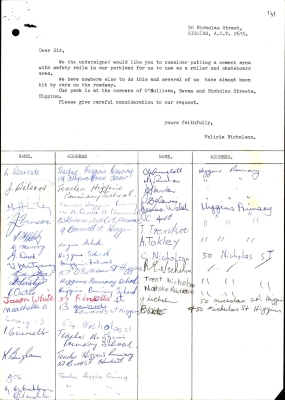
Fig 3 and 4. A letter and a part of a petition. NC-76/00150 pages 75 and 84.
A.J.W. "Tony" Powell, Commissioner of the National Capital Development Commission (NCDC) wrote in 1980 that “a specifically designed skateboard track should be much safer than the present situation where no suitable public facility exists, forcing children to use drains, sides of underpasses and steep sections of footpath and road" (NC-76/00150 page 116).
Safety was a common concern. Records show that community members (including David Pang's father Henry Pang, a medical practitioner) raised concerns about the safety of skate facilities with government officials and in newspapers.

Fig 5. Newspaper clipping from The Canberra Times 5th November 1980. 80/2719 page 175. View larger image.
Such was the concern about safety that an idea was floated that public skate parks should be supervised at all times by government workers, in the same way that private parks were staffed. The NCDC ultimately adopted an “at own risk” stance while installing signs that gave safety directions about helmets, footwear, and wet conditions.
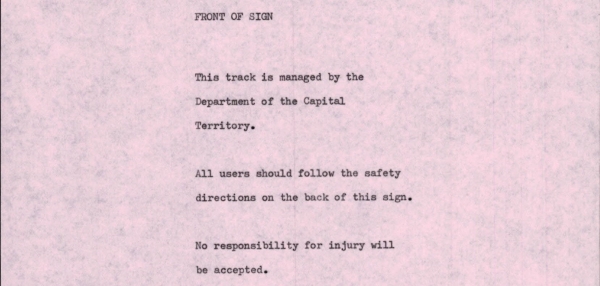
Fig 6. Draft text for a sign to be installed at a skate park. 80/2719 page 188.
Despite opting for signs over supervision, the government did monitor public facilities to assess how many skaters were using it, their age range, their mode of transport to the park, injuries and the like.
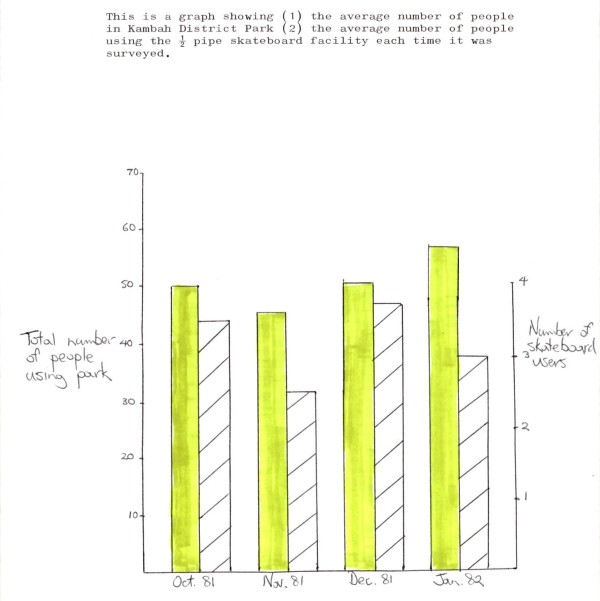
Fig 7. Results of surveys of the number of people using the Kambah park and half-pipe in the early 1980s. 80-2719 page 49.
Other much larger pieces of Canberra’s infrastructure have unintentionally drawn the attention of skaters for many decades. Records show that the government surveyed some of these unofficial skate spots including drains and underpasses, which were especially popular in the absence of widespread skate parks. During the panel discussion, Brendan Wood commented that no matter how many skate parks are built, some skaters would always be drawn to street skating, finding ledges, stairs and handrails on which to practise and challenge their skills.
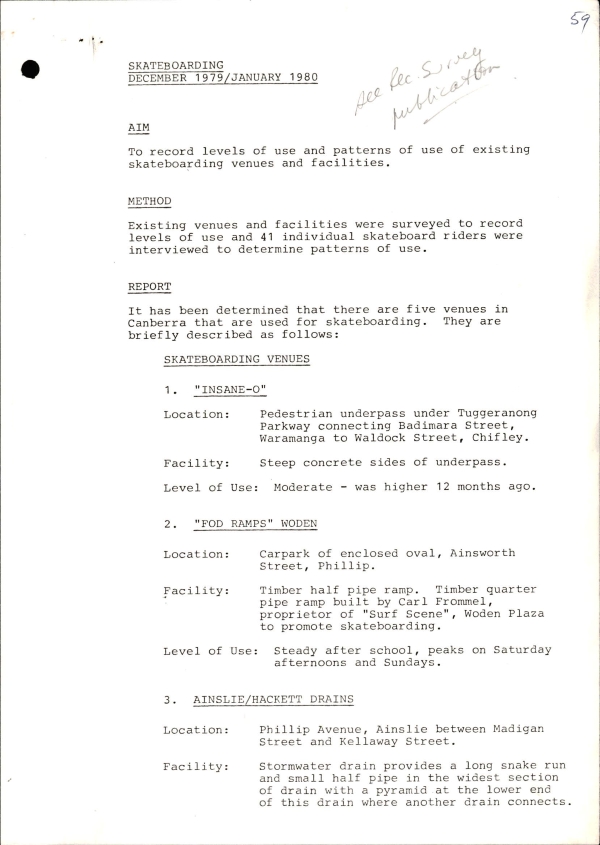
Fig 8. A report on a survey of skateboarding locations including the “Insane-O” under Tuggeranong Parkway. NC-76/00150 page 158.
Also part of the panel, David Pang explained that many Canberra skateboarding locations are iconic, not just to locals but among the skateboarding community around the world. Brendan Wood added that some Canberra skate spots are recognised by international enthusiasts even if they don’t know the name “Canberra”, for example the Belco Bowl with its painted spiderweb design and the Uluru line (the wide red concrete path at the National Museum that ends in a curl on a hill pointing northwest, symbolically connecting the museum to Uluru).
Another location the panel highlighted as iconic is the Erindale Brick Banks, also known as “The Snakepit”. These curved brick walls were not purpose-built for skateboarding, but by chance they are ideal obstacles for keen skaters. It quickly became a popular location, and a place that international skaters visited. David Pang has been photographing skaters at the Banks since the 1980s, and captured Tony Hawk there in 1989.
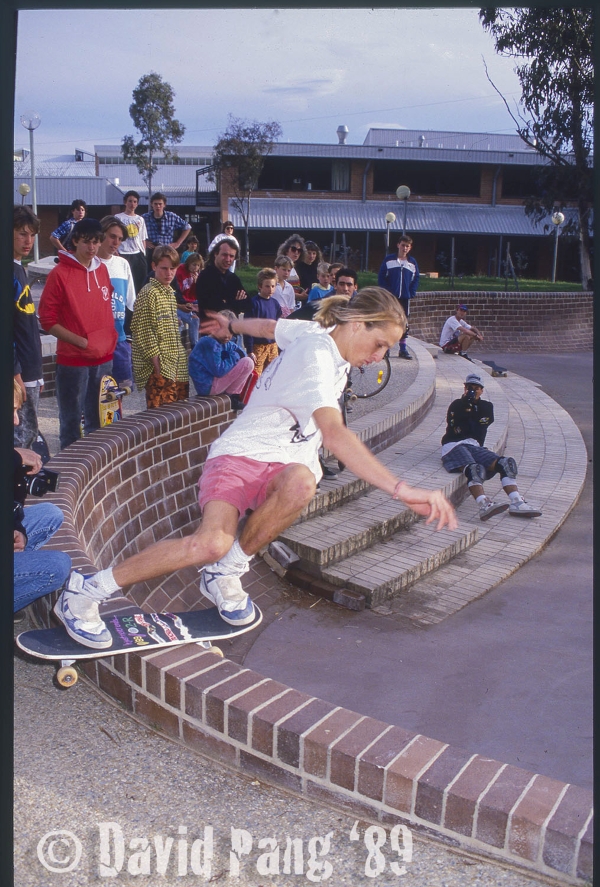
Fig 9. Tony Hawk skating the Erindale Banks in 1989. Photograph courtesy of David Pang.
In an early win for community-driven urban design, the Banks were upgraded in the late 1990s when modern concrete skatepark features were added. After advocacy from the Canberra Skateboarding Association, the Erindale Brick Banks were heritage listed in 2025.

Fig 10. Plan drawing for upgrades to the Erindale Banks. 96/2288 page 59. View larger image.
The Heritage Festival panel discussion brought to life some of what we also glean from ArchivesACT’s records. Canberra has long been a welcoming home to skateboarders, developing both specific and accidental skateboarding architecture that is known all over the world. The coincidence of Canberra’s mid-century development and the rise of skate culture has given us a heritage that we can both preserve and build on.
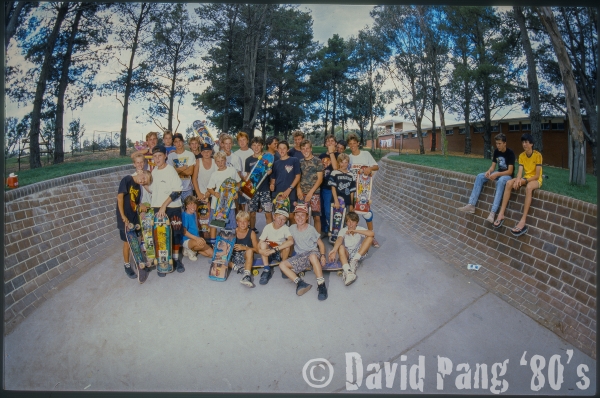
Fig 11. Skaters at Erindale Banks in the 1980s. Photograph courtesy of David Pang.
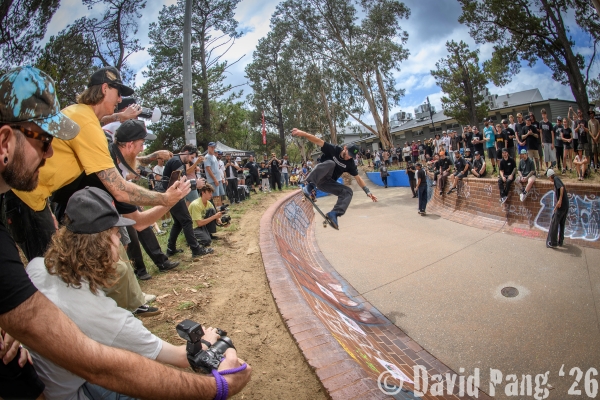
Fig 12. Tim Schaar (an international visitor who skates for Tony Hawk’s company Birdhouse) skating the Erindale Banks in 2026. Photograph courtesy of David Pang.
ACT Government records used
NC-76/00150 - 88/1276 SKATEBOARD TRACKS PRIOR TO 1988
80/2719 - Recreation & Tourism branch - Skateboard Facilities in the A.C.T.
96/2288 - ACT LANDSCAPE ERINDALE SKATE PARK UPGRADING
97/2263 - ACT BUREAU OF SPORT RECREATION & RACING, 1996/97 CAPITAL WORKS, ERINDALE SKATE FACILITY SNAKE PIT
92/17302 - SPORT & RECREATION FACILITIES - SKATEBOARD FACILITIES - INSPECTION REPORT
Other sources
Background Information Erindale Brick Banks August 2025. ACT Heritage Council.
Erindale Brick Banks added to ACT Heritage Register. OurCBR News 26 February 2026, ACT Government.
Historic Skateparks. Canberra Skateboarding Association.
David Pang website
Ready to start your own research? Make an enquiry and we will be happy to help.
Subscribe to our mailing list to receive each Find Of The Month in your inbox.