
Find of the Month
February 2026
Back to school:
Celebrating 50 years of Dickson College
It was half a century ago that Dickson High School ceased to be, and in its place Dickson College opened to cater exclusively for Years 11 and 12. In fact, four new colleges - Hawker, Phillip, Narrabundah and Dickson - opened their doors in February 1976, marking the beginning of the ACT’s distinctive senior secondary system.
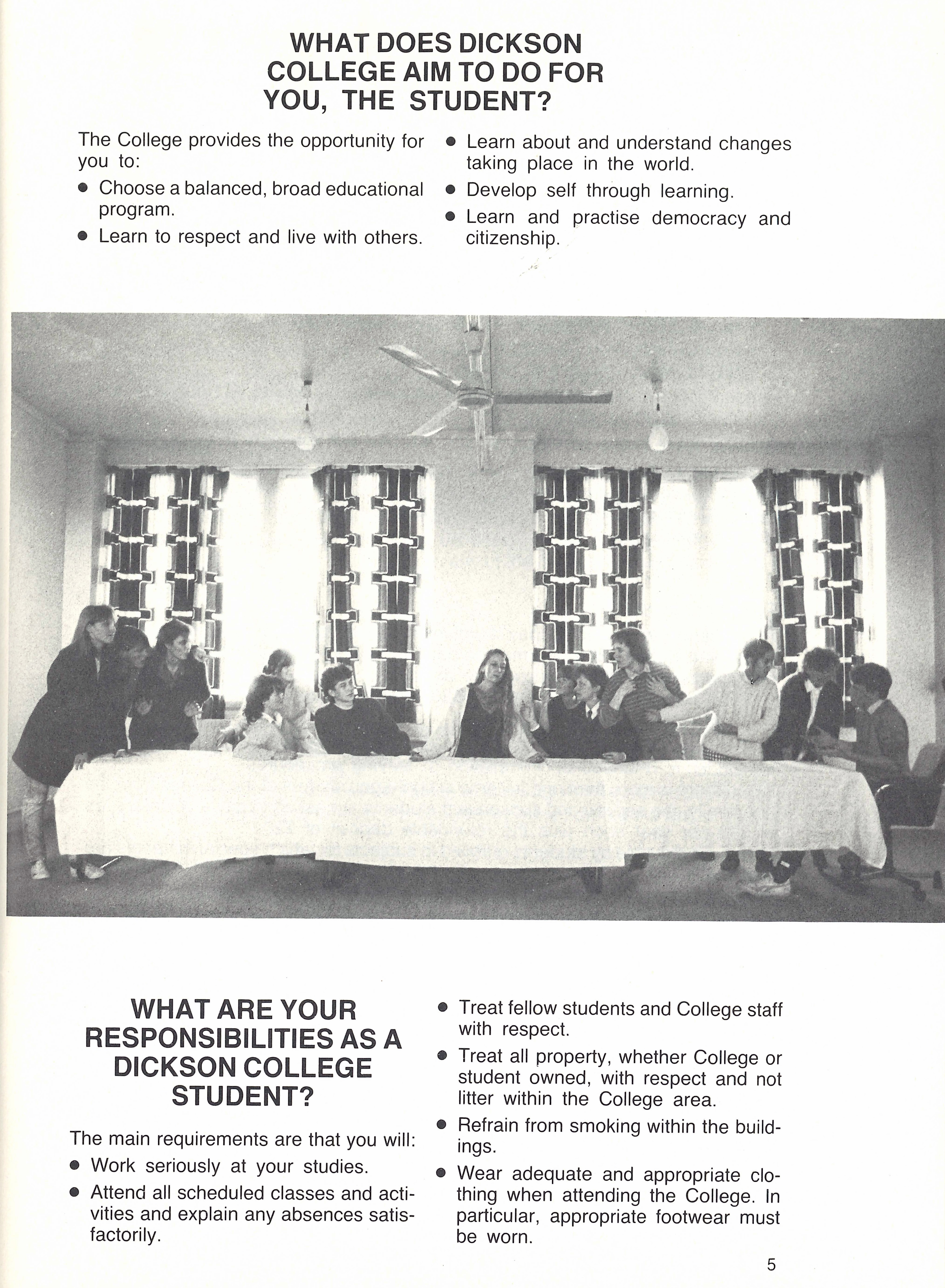
Fig. 1. Last Supper image from Dickson College Prospectus 1986
This month, we look back at the origins of Dickson College, explore the ideas that shaped it, and share glimpses from school newsletters published between 1976 and 1983.
A new system for a growing city
The establishment of the college system was a key feature of a broader educational shift in the ACT. On 1 January 1974, the ACT public school system formally separated from New South Wales. Planning for this new era had been underway for years, with several reports and consultative processes from the late 1960s considering the future ACT education framework, including the benefits of a senior high school system.
The Working Committee on College Proposals for the ACT was the most influential milestone in putting the college system in place. Appointed in December 1971 and chaired by philosopher and theologian Dr Richard Campbell, the committee produced its report, Secondary Education for Canberra (known thereafter as the Campbell Report) in late 1972, with publication following in May 1973.[i] The report formally recommended the adoption of the college system for Canberra, calling for a model built on student autonomy, curricular flexibility, and a move away from exam-heavy assessment.
The ACT Schools Authority, established by the Whitlam Government, was tasked with advancing these reforms. Dickson College would become one of the first expressions of this new educational vision.
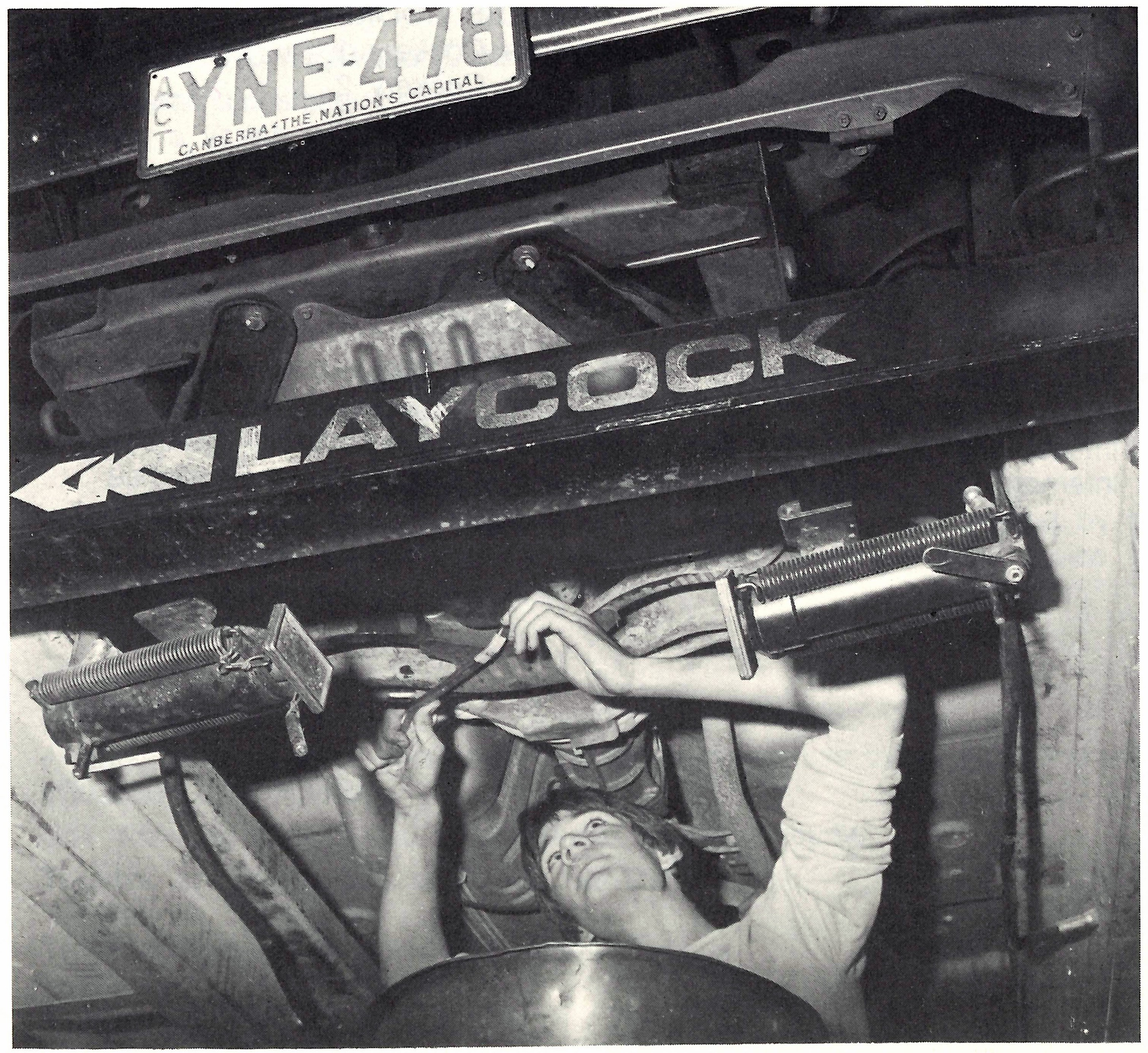 Fig. 2. Industrial Arts - Dickson College Prospectus 1986
 Fig. 3. Science - Dickson College Prospectus 1986
Transforming a high school into a college
Dickson College opened on the site of the former Dickson High School. While Hawker and Phillip Colleges were purpose-built in the open‑plan style of the 1970s, Narrabundah and Dickson inherited the more traditional, classroom‑based structure from the high schools they had replaced. This made the transition from high school to college challenging. Newsletters from the early years reveal shortages of space, ongoing construction, and students lobbying for improvements. A multi‑year building program gradually reshaped the campus, but Dickson remained different in feel from its newer, more architecturally experimental counterparts.
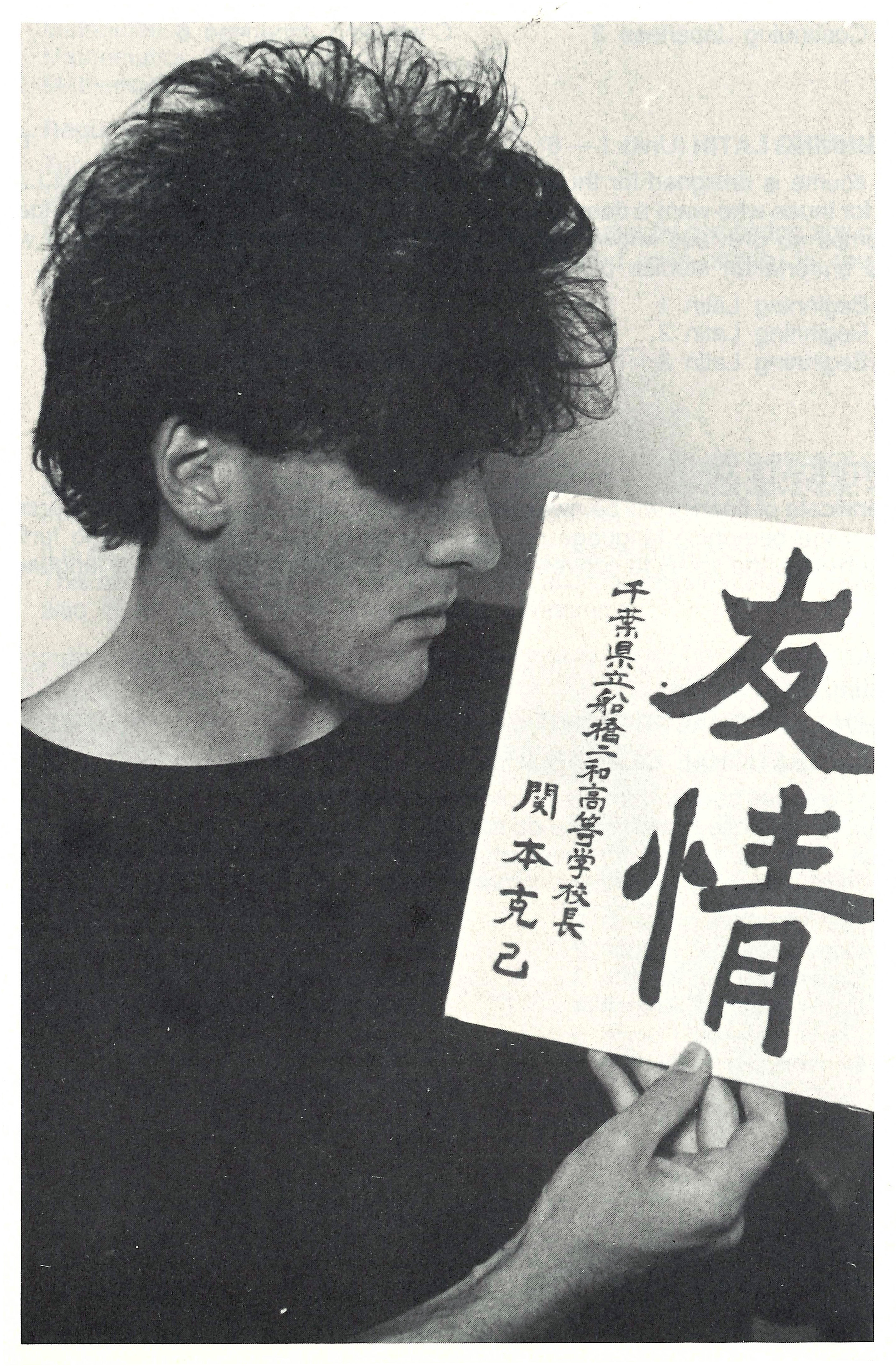 Fig. 4. Japanese - Dickson College Prospectus 1986
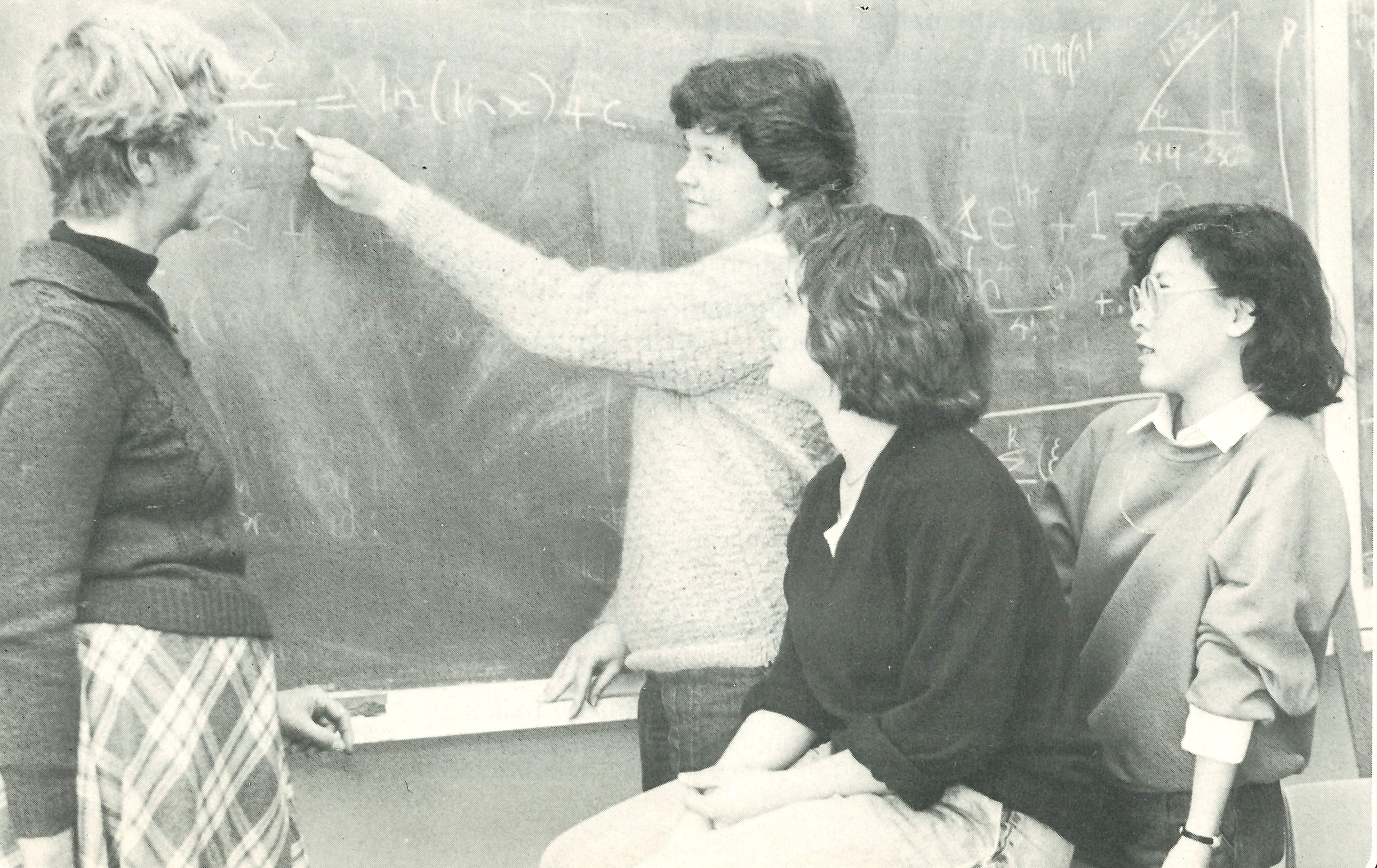
Fig. 5. Maths - Dickson College Prospectus 1986
A philosophy of freedom and responsibility
The early colleges were designed not just as new buildings but as new educational cultures. The Campbell Report emphasised freedom, self‑development, self‑motivation, and student involvement in decision‑making. Dickson’s inaugural principal, Ron Lane, championed the system. In newsletters and in conference papers, he praised the report as “required and rewarding reading” and argued that that the college system provided a “suitable bridge between the custodial high school and the impersonal university.”[ii]
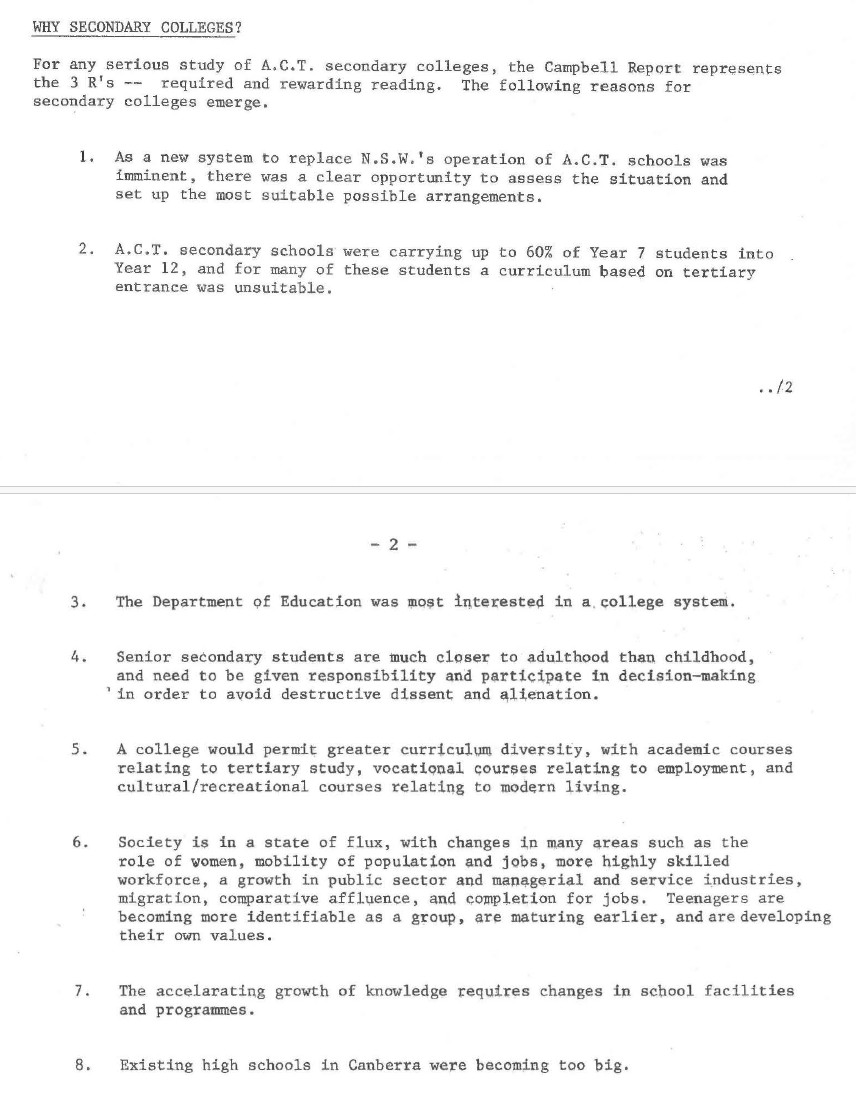 Fig. 6. Extract from conference paper by Principal of Dickson College, Ron Lane, 1977
One of the most significant changes in the new system was the abolition of external Year 12 examinations. Instead, assessment was continuous, moderated through a territory‑wide aptitude test (the ASAT). This approach encouraged a broader curriculum and was intended to support both tertiary and non‑tertiary pathways, as well as mature-age students.
Retention, reform and the early 1980s
Student retention was a major focus for educators at the time. The ACT had a head start on this, with a population of predominantly young families, with higher-than-average levels of education and household income. High school students generally had strong family support for education and less economic need to join the workforce early.[iii]
In 1976, the ACT’s Year 12 retention rate was 61.2%, well above the national average of 34.9%. By 1985, the ACT’s rate had risen to 77.1%, compared to the national average of 46.4%.[iv]
Perhaps more remarkably, the retention rate was higher for government schools (83.3%) than for non-government schools (66.4%). This was unique among other states and territories, and indicates the appeal and success of the college system.
Newsletters from the early 1980s show that student retention remained a live concern. Principal Ron Lane lamented the fact that in a time of economic recession and high unemployment, fifteen- and sixteen- year olds could leave school and receive unemployment benefits.
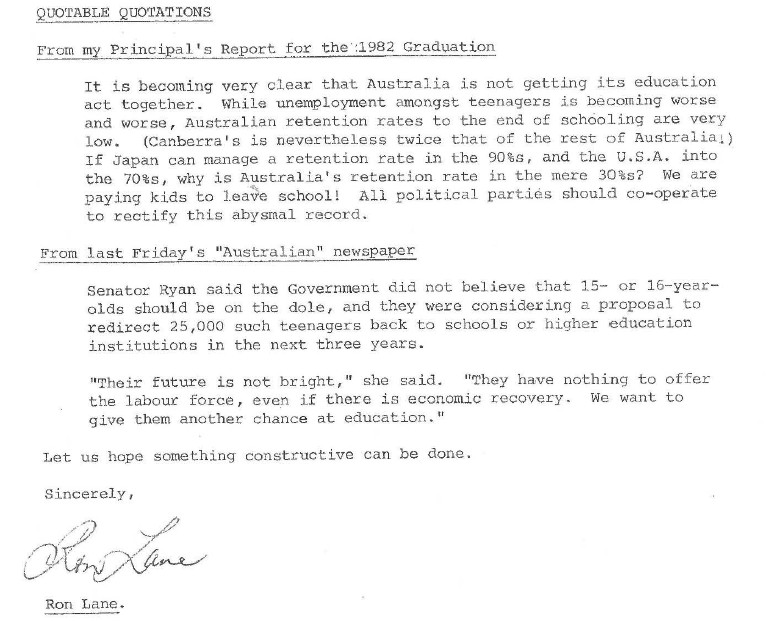
Fig. 7. Extract from principal's report to Dickson College newsletter, 19 April 1983
Snapshots of college life
The newsletters from the early years of Dickson college give a picture of its lively culture. They document a wide range of academic offerings, from astronomy to spinning and weaving, alongside a thriving extracurricular scene: many sports teams, theatre productions, a film club, debating, student exchange programs, interstate excursions, and the coexistence of both a “Disco Club” and a “Demolish Disco Club” in 1978.
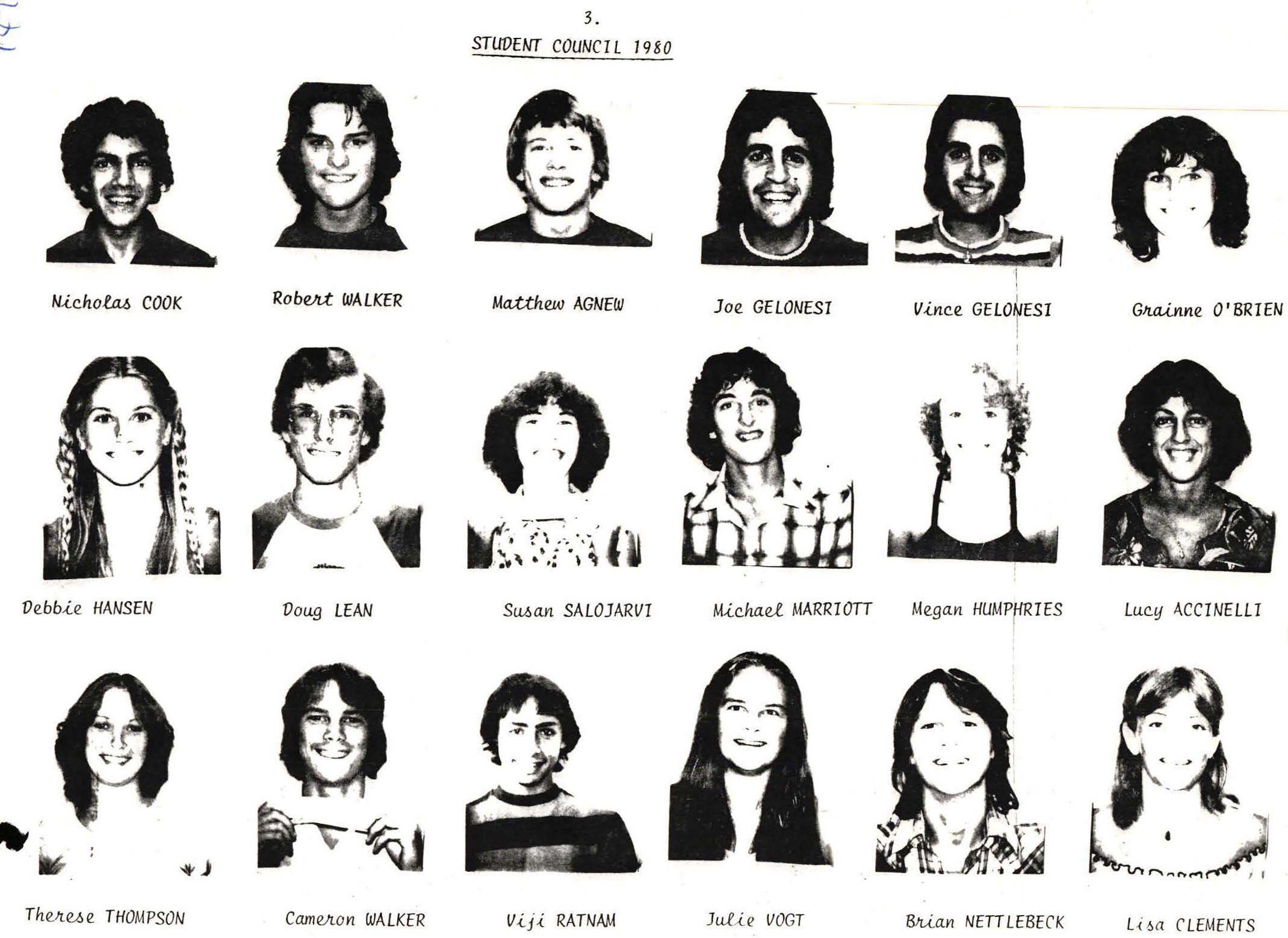 Fig. 8. Student Council 1980, Dickson College newsletter 25 Feb 1980
Students raised funds for charities including Koomarri and the Red Cross and debated everything from smoking rules to campus facilities.
 Fig. 9. Extract from student notices, Dickson College newsletter 4 July 1977
The newsletters also convey the benefits that Dickson enjoyed by being in the national capital, close to national facilities such as Federal Parliament, the ANU, the National Institute of Sport and the diplomatic community, providing opportunities for academic programs, social initiatives and eminent guest speakers at lunchtime forums.
A lasting legacy
Fifty years on, Dickson College remains a cornerstone of the ACT’s distinctive senior secondary system. Its early newsletters capture a period of optimism, experimentation and community involvement, an era in which students, teachers and policymakers together shaped a new model of learning for Canberra.
Ready to start your own research? Make an enquiry and we will be happy to help.
Subscribe to our mailing list to receive each Find Of The Month in your inbox.
ACT Government files used
1975/00386. Dickson College – General policy
1977/00353-01. Dickson College – newsletters – part 1, 1976-1980
1977/00353-02. Dickson College – newsletters – part 2, 1980-1983
Images
Fig. 1. Image from Dickson College Prospectus 1986. On file 1975/00386
Fig. 2. Industrial Arts - Dickson College Prospectus 1986
Fig. 3. Science - Dickson College Prospectus 1986
Fig. 4. Japanese - Dickson College Prospectus 1986
Fig. 5. Maths - Dickson College Prospectus 1986
Fig. 6. Extract from conference paper by Principal of Dickson College, Ron Lane, 1977. On file 1975/00386
Fig. 7. Extract from principal's report to Dickson College newsletter, 19 April 1983. On file 1977/00353-02
Fig. 8. Student Council 1980, Dickson College newsletter 25 Feb 1980. On file 1977/00353-01
Fig. 9. Extract from student notices, Dickson College newsletter 4 July 1977. On file 1977/00353-01
References
[i] Kass, D. 2025. Campbell Report: Secondary Education for Canberra (1972). Dictionary of Educational History in Australia and New Zealand (DEHANZ), 6 April. Available: http://dehanz.net.au
[ii] Ron Lane, ACT Secondary Colleges – a Preliminary report. A paper delivered to conferences in Toowoomba and Brisbane in September 1977. On file 1975/00386
[iii] Kass, D. 2025. Campbell Report: Secondary Education for Canberra (1972). Dictionary of Educational History in Australia and New Zealand (DEHANZ), 6 April. Available: http://dehanz.net.au
[iv] Australian Bureau of Statistics. Schools, 1976, and National Schools Statistics Collection Australia 1985. Available: https://www.abs.gov.au/statistics/people/education/schools